

















Solo travel in Europe is a journey that thousands have done before you, with workable Solo Travel tips and a bit of courage. Anxiety is an emotion that needs to be addressed in case of travelling, and once worked upon, you’ll find your confidence and enjoyment growing every day.
Talking about Europe, just entering a bustling European passage may be nerve-racking and thrilling. Feeling anxious before your first journey alone is quite normal. Many first-time Solo Travelers dread being alone, insecurity, or separation, yet these anxieties can be transformed into possibilities. In the end, traveling alone is an adventure in self-discovery. You can transform your anxiety into confidence and excitement by admitting your worries and being ready.
Solo Travel Tips: Common Fears of Solo Travel and How to Reframe Them
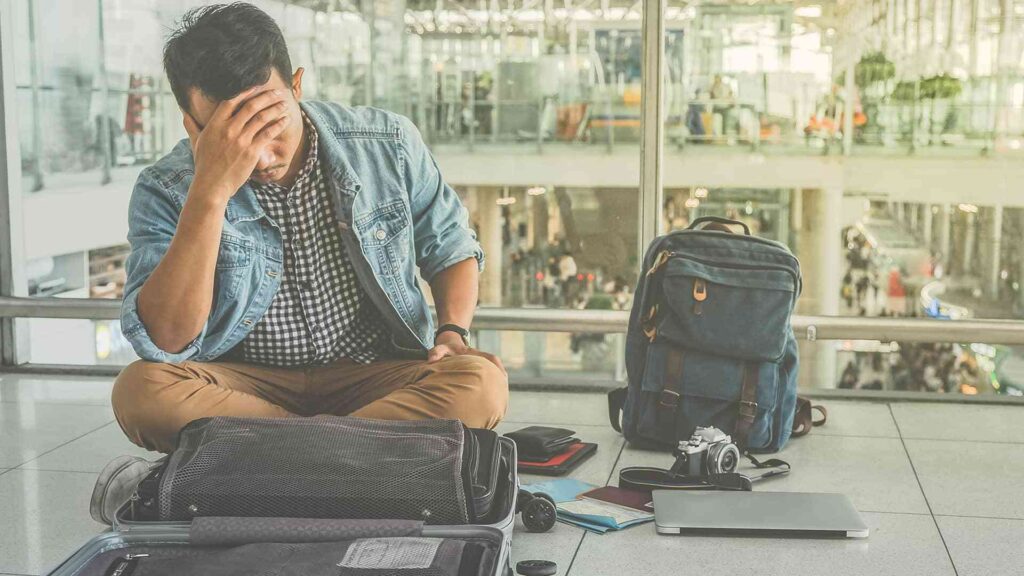
Many first-time Solo Travelers share similar fears. You can relax by identifying and rephrasing these concerns:
Fear of being alone: It’s normal to feel concerned about loneliness. It’s quite rare for lone travelers to be lonely for very long. Because they are traveling alone, solo travelers tend to meet more people. New friendships can be formed, for instance, by joining a local walking tour or sitting at a community table. Keep in mind that being “alone” does not equate to isolation; in fact, Europe’s hostel culture, cafes, and tours are packed with both lone travelers and friendly locals ready to make new friends.
Concern about one’s safety: Solo Traveling to Europe is generally safe, but it’s advisable to exercise caution. Europe is a very safe place for Solo Travelers, but common-sense safety measures are still necessary. Reframe your fear of danger by being prepared. Just as you keep yourself secure at home, take the same precautions overseas (lock doors, remain in well-lit locations, and keep an eye on your valuables).
For instance, stay away from dangerous nighttime shortcuts, choose official taxis or ridesharing after dark, and research common frauds in advance. Prepare for your safety as you do in your hometown; having a basic safety plan and following your gut will help you transform your fear into empowerment.
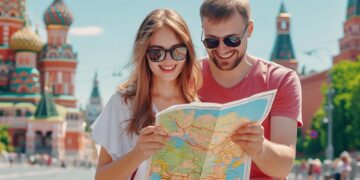
Fear of making mistakes or getting lost: It can be frightening to navigate unfamiliar streets by yourself. Consider it an exploring journey instead. Getting around is now easier than ever due to contemporary tools like offline maps and translation apps. When you inquire, “Do you speak English?” locals are typically willing to assist you if you are turned around. Excuse me? And keep in mind that even if you make a mistake, it’s typically just an enjoyable diversion or an opportunity to explore a different area of a city.
Anxiety when eating or in social settings by themselves: Many Solo Travelers are afraid to sit by themselves at a restaurant. Eating with you may actually be a lot of fun and even social. Many Solo travelers find themselves conversing with neighbors while sharing a table, so look for an eating place with communal tables or eat at the bar. Dining out can also be pleasant if you bring a book or notebook, or just enjoy the food.
A fear of missing out: It’s normal to worry that your buddies are enjoying themselves more at home. Reframe this by emphasizing the special flexibility that comes with Solo travel, such as the ability to make last-minute changes to plans, sleep in or out late, and fully immerse yourself in experiences. When you return, your friends will be delighted to hear about your journey, which is uniquely your adventure.
Furthermore, you can begin to perceive Solo Travel as an exciting adventure rather than a threat by recognizing each concern and turning it into a positive (“I’ll be lonely” → “I’ll meet new friends”; “It’s dangerous” → “I’ll be prepared”). Most importantly, be careful always, but avoid dramatic news reports prior to your trip and instead concentrate on getting ready and the positive things that occur all over the world.
Changes in Habits to Build Confidence
It requires little daily workouts to build confidence for traveling alone, just like training a muscle. Start by developing an optimistic, expert mindset:
Practice being alone yourself at home: Consider engaging in daily activities alone, such as going on a local sightseeing tour, dining at a restaurant by yourself, or exploring a new cafe in your town. “Sit down at a restaurant alone for lunch or dinner… Choose an activity to do alone in your city. These little gestures help you become more at ease in social and solitary settings, making being alone seem natural when you’re in Paris or Prague.
Do your homework and become ready: Confidence is knowledge. Find more about the journey alternatives, language basics, and culture of your trip. One Solo Travel book states that “the key to feeling ready and prepared is researching the ins and outs of the destination you want to visit.” For instance, understand how to utilize Berlin’s metro or how much an Athens ϵ2 train ticket costs. You’ll encounter fewer surprises and have greater faith in your abilities to manage problems if you have more knowledge.
Imagine being successful. Imagine yourself ordering gelato in Rome, making new friends in an Amsterdam hostel, or lounging on a Swiss mountain trail—imagine the good things that will happen. Keep in mind that nothing negative lasts forever and that difficulties (such as missing a bus or getting lost) are temporary setbacks rather than indicators of your strength. Your confidence grows with every little accomplishment, such as asking for directions, using a sentence in the local tongue, or completing a meal by yourself.
Have a “growth” mentality. Remind yourself that uncertainty is not a sign of failure but of growth. You learn every time you try anything new. Traveling alone pushes you to find solutions to issues that you would typically discuss, such as misplaced luggage or a delayed train, which showcases your inventiveness. Accept errors as learning opportunities rather than failures.
To become inspired, join a community. It can inspire you to hear about other people’s achievements. Participate in online forums or read blogs about Solo Travel. “ Look for groups (on Facebook or forums) of individuals who are similar to you or who have similar interests; their stories can offer you moral support and helpful advice.
Solo Travel Packages: Detailed Planning for a First Solo Trip Procedure

Careful planning will transform fear into confidence. This is a useful checklist for your first solo travel to Europe:
- Be careful where you go first: For your first solo travel, choose a place or nation with a strong tourist infrastructure and English-speaking population (e.g., Scandinavia or Western Europe). Think about comfort and interests: Due to their English-friendly nature and relative ease of navigation, Paris, Amsterdam, and Lisbon are popular choices for single travelers.
- Verify the prerequisites for a visa: Find out if you require a visa. For U.S., Canadian, and Australian citizens, the majority of brief visits to “Schengen” nations (26 EU/Schengen members, such as France, Germany, Italy, etc.) permit up to 90 days in 180 days without a visa; nevertheless, regulations differ depending on the nationality. Make sure you have travel medical insurance (often necessary and helpful in an emergency) and apply as soon as possible if you do need a visa (see the nation’s consulate website).
- Make a budget and purchase important tickets: Compute the cost of your airfare, rail passes (see below), lodging, and daily costs. Make reservations for at least the first few nights of lodging and your travel into your first city. Budget-friendly and social, hostels and guesthouses frequently offer individual rooms and dorms, as well as communal spaces and meals for meeting people. To prevent lengthy late-night walks, pick a hotel or Airbnb in a central, secure area if you like one.
- Think about transportation or train passes (Eurail/Interrail). Trains in Europe are both scenic and efficient. Although high-speed trains frequently demand seat reservations even with a pass, you can travel freely between countries with a Eurail Pass (for non-Europeans) or an Interrail Pass (for EU citizens). Determine whether a pass is more cost-effective than point-to-point tickets if you are organizing a trip that involves multiple countries. Learn about the bus and metro systems in cities. To prevent fines, always make sure your bus or metro tickets are valid.
- Make an itinerary and plan your travel. Make a rough itinerary that includes the number of days you will spend in each location, the main attractions you wish to see, and the days you will need to travel between them. Don’t overbook your calendar; allow time for relaxation days or evenings to rejuvenate. Incorporate one “just in case” day every week, in case you have a delay or fall in love with a location. Discover hidden treasures and must-sees (such as museums or landmarks) by using travel forums or blogs. Being prepared gives you a sense of control.
- Reserve important tours or activities: To prevent disappointment, purchase tickets in advance for well-known attractions or local events (such as a performance in Vienna or the Alhambra in Spain). Additionally, search for free walking tours in every city; they are excellent opportunities to meet people and are guided by local guides.
- Get important documents ready: Make digital and hard copies of your IDs, tickets, insurance, and passport. Pack them separately. To prevent accounts from being frozen overseas, let your bank know when you will be traveling or get a travel-friendly card. On your phone, download offline maps and a language app (such as Google Translate with offline packs).
- Be clever and pack light: Overpacking slows you down and makes you a target for theft, according to thesavvybackpacker.com. Only bring the necessities, such as comfortable shoes, a power adaptor, basic medications, and clothing for a range of weather conditions. For everyday excursions, a lightweight daypack is useful. Stress is reduced with fewer bags.
- Keep in contact with your home: Give a family member or close friend your itinerary, including the details of your lodging. To let loved ones know you’re safe, schedule times to check in via social media or SMS.
Many of the “what-ifs” that cause anxiety can be eliminated by following every step and planning the paperwork and logistics. For example, you can relax before the trip knowing that you have a confirmed train ticket, a travel insurance policy, and a hostel reservation upon arrival.