

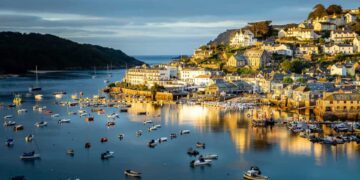



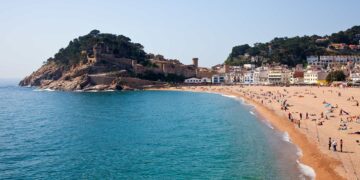







The aroma of a European summer is like heaven to travelers: fried garlic from a beach kitchen that never seems to close, a salty breeze, and sun-warmed pine needles. For years, this aroma has been followed and admired by several travelers; however, many want to purposefully avoid the crowded docks and well-known postcards. Instead, they want to discover tiny harbors where time passes at a local pace, famous beaches with more shells than people, and restaurants where the chef welcomes you like a neighbor. Europe for the summer is amazing, and it would be the cherry on the top when you visit the least-crowded coastal towns you’ve never heard of.
There are ten of those locations, along with peaceful experiences, including hikes, unexpected restaurants, minor annoyances, and significant events. You probably won’t stop thinking about these towns if you’re looking for famous beaches, history, trekking, or just peaceful company by the sea.
European summer: Stories from ten quiet coastal towns you’ve probably never heard of
There is more to the European summer than just the well-known beaches and busy resorts. Small communities are dotted around the coasts, where people live more slowly, famous beaches are more peaceful, and the customs seem unaffected by mass tourism. For tourists seeking a unique experience, these undiscovered locations provide the ideal balance of sun, sea, and genuineness.
Borsh, Albania
After a winding drive through olive trees, you would finally arrive in Borsh. There are more stray cats than sun loungers on the endlessly long, light sand beach, which was bordered by leaning pines. Here, days were straightforward: a book, a towel, and the Ionian Sea, which warmed just enough to make swimming irresistible. You can ascend toward a run-down castle at dusk to observe fishermen bringing in a couple of small boats. Accessibility is minimal (the roads loop around mountains), but taxis and welcoming hosts make up for it. Accommodations include rustic guesthouses and family-run rooms with air conditioning if necessary. With its calm streets and shallow water in some areas, it’s kid-friendly and ideal for those seeking real Albanian fish grilled with lemon and thyme.
Borsh is a quiet village of stone homes and olive gardens nestled in the Albanian Riviera. Its 6-kilometer sandy beach, surrounded by verdant hills, is its main attraction (albaniatravelguide.net). Instead of lidos selling cocktails, Borsh’s coast is still mainly undeveloped, a broad bay where residents gather for picnics under pine trees and collect olives. The setting is completed with coral-colored sunsets over the Ionian Sea and a ruined Byzantine castle perched atop a hill, adding antiquity to the coastline. Borsh Beach is even listed by TimeOut as one of the least populated famous beaches in Europe. Furthermore, Borsh is ideal for hiking along the coast, swimming, and enjoying real Albanian food on the shore. It has quiet waters and basic guesthouses.
Vieste, Italy
Vieste resembled a set from an old film: whitewashed homes, winding streets, and the Pizzomunno, a massive limestone needle that rises out of the ocean. You can spend afternoons wandering between secret coves that were reachable by short climbs, wake up to the aroma of cappuccino, and lease a small flat above a cafe during European summers. The town boasts a bustling little harbor and an unexpected quantity of pine-shaded pathways due to its location on the border of a national park. From family-run pensions on the outskirts to B&BS in the old town, there are plenty of stroller-friendly accommodations, and local trattorias are happy to take children. Vieste seemed to be the ideal balance of culture and tranquility if you enjoy spending mornings on the beach with afternoons spent sampling olive oils and taking walks along the shore.
Furthermore, Vieste, a small Greek island in Italy, is perched on a rocky promontory of the Gargano Peninsula of Puglia. Above the sandy bay, its whitewashed ancient town clings to rocks. Explore able cobblestone streets lead to the historic cathedral and medieval arches. The Pizzomunno, a mile-high limestone sea stack that is said to grant lovers’ wishes, is the main thing in the view, but it is much less visited than Italy’s more famous beaches. Visitors can mix beach days with forest treks or boat trips to secret grottoes because Vieste is the entry point to the Umbra Forest and secluded coves of Gargano National Park. Budget-friendly B&Bs only fill up in mid-August, and there are excellent seafood trattorias with views of the water. Nonetheless, Vieste offers all of the Cinque Terre’s lovely cliffside environment without the tourist crush.
Peschici, Italy
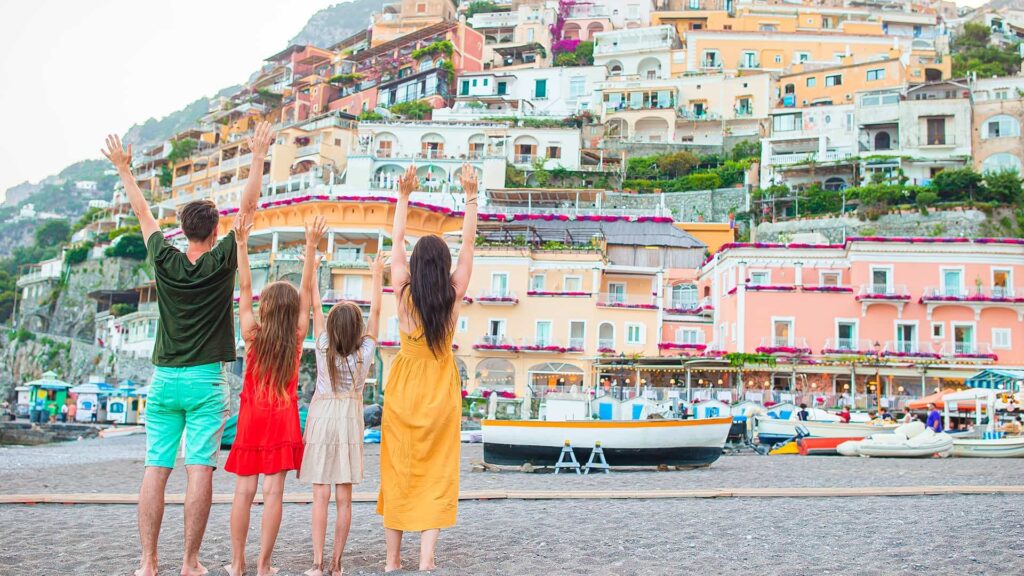
The pastel cottages of Peschici and the wooden fishing platforms are known as trabucchi which project into the water like antiquated machinery. This delight would charm the travelers during European summers. You will see waves slap the stilts below while you eat dinner on one of those platforms. A quick rise rewards you with peaceful terraces and bay views as the ancient town snakes up from the harbor. Although Peschici isn’t unreachable, family-friendly, famous beaches and clean mid-range hotels make it simple if you’re traveling with children. However, be prepared for cobblestone streets and a few steep staircases. When you seek true seaside living without the throngs of Italy’s popular tourist destinations, this is a great option.
Peschici, a similarly lovely community of pastel cottages crammed into a beach bluff, is located just around the cape from Vieste. Its peaceful bay is framed by fragrant pines, and a collection of cafes and gelaterias is enclosed by medieval walls. The trabucchi, which are wooden fishing platforms that extend beyond into the sea and some of which now house distinctive seafood restaurants on stilts, are among Peschici’s most charming features. There are hardly any tourists in this hilltop village, where you may enjoy local food and olive oil, swim in the famous protected beaches, and trek up to a destroyed Aragonese castle. The residents are welcoming to tourists, and the Michelin guide suggests Peschici’s waterfront dining.
Far from the crowds of Amalfi or Capri, Peschici nevertheless feels authentically Italian, even though the number of visitors increases slightly in the European summer. Street cats sleep outside doorways, while children play football in piazzas.
Saint-Cyr-sur-Mer, France
The tranquility of the French seaside would catch you off guard in Saint-Cyr during European summers. Its principal beach, Les Lecques, is a soft crescent where kids may paddle in crystal-clear water. You would love to finish evenings at little cafes, stop at markets for delicious peaches, and rent a bicycle and cycle through vineyard regions. The town keeps things walkable and human-scale by favoring family-run guesthouses and modest pensions over high-rise hotels. Families will enjoy the shallow bay areas and the laid-back pace of the area; it is easily accessible by regional train and automobile.
Nonetheless, French residents secretly enjoy Saint-Cyr-sur-Mer, a little-known seaside hamlet on the Provence coast east of Marseille. Les Lecques, its major beach, is shingle rather than sand, with soft dunes and pine trees lining the shore. Even on sunny days, the famous beaches of Saint-Cyr feel calm, in contrast to the busy Côte d’Azur. The hamlet itself is a 19th-century resort including pastel houses, a marina that is suitable for families, and umbrella-shaded cafés. There aren’t any high-rise hotels here; instead, there are cozy pensions and guesthouses that are frequently situated in vineyard settings. Visitors laud the town’s serene charm and the pristine blue water, calling it “some of the clearest you would swim in.” Saint-Cyr-sur-Mer shows that Provence’s famous beaches may be stunning and uncrowded, making them perfect for paddleboarding, snorkeling, or just enjoying a glass of Rosé as the sun sets.
Collioure, France
With its vibrant fronts, medieval castle defending the port, and little fishing boats bobbing beneath palm trees, Collioure seemed like a painted postcard come to life. You can enjoy the freshest anchovies ever eaten in Europe one afternoon while exploring little galleries and another near the port. Promenade walks are a treat because it’s cooler here at night. Collioure draws couples and painters, but it never becomes a tourist circus due to the modest hotels and winding alleyways. This village offers amazing seafood, boutique accommodations, and calm elegance without the hassle. Though many cafes and some accommodations are accessible enough, the area is not the most wheelchair-friendly due to its steep streets.
Collioure, a Catalan jewel located close to Spain at the southwest tip of France, is somehow still unknown to most tourists. The hilltop remnants of a medieval castle and windmill stand behind the colorful harborside homes in this ancient fishing port, which are shaded by palm trees. Painters come here to capture the light in the European summers, but everyday attendance is still low when compared to the Riviera. The village is dotted with 13th-century churches and charming stone chapels; local stores offer juicy Argeles olives and fresh anchovies. There are a few modest hotels along the coastline, but there aren’t many rooms, so the small town doesn’t feel overcrowded. Furthermore, beyond relaxing on the beach, Collioure offers picturesque treks along the coast, such as the path via secret rocky bays to Port-Vendres. Collioure blends Catalan soul with French flair without the masses.
Cudillero, Spain
Cudillero felt like a town that refused to leave the past. This place is even incredible in European summers. The harbor is so small that you could practically touch both sides with outstretched arms, and houses fall down the hillside in candy-bright layers. You can spend an afternoon hopping between little tapas bars that were all excellent at one dish, like marinated anchovies, grilled squid, or seafood rice. Moreover, the town’s winding lanes are an adventurer’s paradise, and the Atlantic is brisk here, making it perfect for those who enjoy surfing or quick swims. Expect excellent breakfasts and family-run service at the majority of the accommodations, which are tiny inns. It’s friendly for families and adventurous visitors; however, parking can be difficult.
A tiny fishing village right out of a fairy tale, Cudillero is located up on the wild Cantabrian coast of Spain. The field of candy-colored homes that tumble down to a little, sheltered port is what initially draws visitors’ attention. Every vantage point offers a picture-perfect view of the port and emerald sea, while narrow lanes wind between balconies brimming with laundry and geraniums. Despite its peaceful appearance, outsiders haven’t really discovered Cudillero. Far from mainstream tourists, the village used to hardly appear on maps, so you still get a close-up look at local life, like grandparents conversing on benches and fishermen. Adventurous tourists can attempt surfing and kayaking in the refreshing Atlantic seas, or trek the surrounding coastal cliffs (where the Camino de Santiago splits).
Cadaqués, Spain
There is a sort of elemental magic in Cadaqués. It felt like a secret as you drove in (the road winds around cliffs); the town opens into a whitewashed embrace of narrow alleys and a little, gravel beach. In European summers, you can spend an afternoon getting lost on lighthouse tours along the Cap de Creus cliffs. Evenings are for relaxed seafood meals with regional wine, and the water is more azure than you might think. Families, hikers, and culture-vultures will find accommodations in a variety of comfortable guesthouses and a few boutique hotels, but, if mobility is an issue, you’ll want to make plans because some cliffside pathways are not easily accessible.
Cadaqués is a whitewashed coastal village set amid rocky cliffs on Spain’s Costa Brava. Even while the village is well-known for being Dalí’s retreat—the great surrealist’s home is just a short stroll from the charming center—not everyone has taken over. Local fishermen dry their nets in a stone plañ on the shore, where narrow, cobbled passageways wind around cubic dwellings with blue shutters. As part of the Cap de Creus peninsula, the terrain is recognized as a World Heritage Site. The only road from the inland area winds around steep canyons, which has kept Cadaqués relaxed. While day visitors arrive to enjoy the promenade or eat fresh seafood, the masses leave in the evening. The blue waters of the gulf are perfect for swimming, and there are several secret coves on neighboring isles.
Begur, Spain
You will enjoy a stretch of coves nestled beneath pine forests like hidden enclaves from the remains of Begur’s castle. Two of the top favorites are Sa Tuna and Aiguablava, which are little sandy strands that may be reached by boat or short treks through aromatic trees. Begur itself has a scent of sun-warmed stone and simmering paella; residents play cards in the plazas throughout the peaceful evenings of European summers. Because it is slightly inland on the Costa Brava, the shoreline is more natural and there are fewer motorboats. There are many of family-friendly lodging alternatives, including privately rented villas and family-run country motels, which are suitable for visitors who wish to combine beach days with hiking portions of the GR-92 coastal trail.
The old town of Begur, located a little further inland on the Costa Brava, is in charge of nine sandy beaches and seven empty bays. The ruins of the old Begur Castle can be reached by climbing a hill through the village, offering a 360-degree vista of the azure Mediterranean and ochre rooftops. Hidden inlets like Sa Tuna and Aiguablava are visible from that location; several are only reachable by pathways or quick kayak trips. Interestingly, these beaches are still immaculate, with peaceful fishing towns at either end and seldom any tourists. Fresh rice is served at Catalan tavernas in the tranquil village of Begur, which is made up of plazas and stone cottages.
Although it is crowded with Spanish vacationers in the European summers, it is still significantly less crowded than Mallorca or the Balearics. The hillsides are dotted with contemporary villas and family-run rural hotels that appeal to people seeking privacy and the outdoors. Begur is a European summer retreat that combines pine forests, rocky coves, and a medieval heart, and hikers can spend days on the rough GR-92 track here.
Hanko, Finland
Hanko is very different from the Mediterranean: the wooden villas are pastel and dignified, the beaches are broad and white, and the air is crisper. You can hire a bicycle and ride around the dunes, see little sailboats come and go, and stop at a marina-side shop for pickled herring. Even during the height of summer, the town’s many officially famous beaches felt spacious. You can also love the sauna culture here, which consists of public saunas with views of the ocean, where one may chill off after perspiring. With playgrounds and convenient, secure swimming areas, Hanko is a peaceful, family-friendly destination that is easily accessible by road and ferry.
Hanko (Hangö in Swedish), Finland’s southernmost town, is a quaint harbor on the Baltic Sea with a decidedly Scandinavian vibe. The town’s sandy coves are lined with wooden cottages painted in cheery pastels, and the skyline is dotted by an elegant church spire and a vintage red water tower. There are more than 30 famous beaches in Hanko, and while the beaches (some even bear the White Sand sign) warm up in the European summers, they seldom get crowded. Although the pace is leisurely by Finnish standards, locals spend June through August boating into the little port and grilling on the rocks. Every village area has a beach promontory; you may try pickled herring at a café by the marina or take a sauna by the sea.
Although Hanko offers direct ferry access to Estonia and some of Finland’s hottest summer days due to its location on the Gulf of Finland, year-round, low-key tourism is more prevalent than busy tourism. Hanko proves that you may still find peaceful coastlines in Northern Europe with its bike routes across dunes and birdwatching opportunities close to its marshy reserves.
Reine, Norway
Reine is a place where you feel like you belong. Red fisher huts on stilts line the sea, and the Lofoten peaks rise straight out of the fjord like church spires. You can walk Reinebringen for a view you would describe to friends, kayak among mirror-flat fjord arms, and eat Arctic char that had virtually jumped from the water into a skillet. It’s remote, so be prepared for winding roads and quickly shifting weather, but that’s part of the allure. The midnight sun in the European summers keeps the evenings bright and long, and there aren’t many tourists, so the rorbuer (fishermen’s cottages) feel more like a local stay than a tourist attraction.
Reine is one of Scandinavia’s best-kept secrets, despite being as surreal as travel images portray, nestled on the Lofoten archipelago above the Arctic Circle. With red Rorbu huts on stilts along narrow fjord arms, this small fishing community is dispersed across sea-swept islets. Mirrored in clear seas, towering granite mountains rise sharply behind the settlement. On the well-known Reinebringen route, you’ll meet residents and a few daring sailors in the European summers, so the only “tourists” you’ll see are burnt hikers. Shops and cafés here serve more fishermen than coachloads of tourists, even during the day. The pace is laid back; you can eat Arctic char at the quay by lamplight or kayak among oil-rig platforms illuminated by the midnight sun. If you stay during shoulder season, you may be able to see the northern lights flashing across Reine’s starry sky, despite the scenic surroundings.
Practical insight from the roads during European summers
When to go: These locations have the nicest and most consistent weather from late June to early September, but May and September are shoulder seasons that frequently offer greater light, cheaper costs, and even fewer tourists.
How to get there: A combination of regional trains, ferries, and the occasional picturesque bus journey can get you to many of these places. Renting a car allows you to travel freely to hidden coves, but in order to avoid parking problems, I frequently used public transportation and local taxis.
Where to stay: Family-run guesthouses, B&Bs, and small hotels are the most common options. During busy weeks, make reservations in advance, but outside of August, you may frequently find last-minute deals.
Family-friendliness: The majority of towns feature famous beaches that are suitable for children and calm waves, although some have steep or cobblestone walkways, so bring a carrier or a stone-handling stroller.
Accessibility: Because they are genuine, old locations, expect to find stone steps, small streets, and occasionally rocky coastlines. For more information, get in touch with accommodations in advance if mobility is an issue.
Eating: Whether it’s grilled, salted, fried, or stewed, the seafood is always the standout. Instead of going to tourist traps on the waterfront, look for tiny local restaurants; the cuisine is better and the pricing is more reasonable.
Final Notes from the Journey
One thing travelers can learn from exploring Europe’s more demure coastlines is that the greatest memories aren’t created where everyone else is going. They are created in the quiet of a cliffside stroll when you suddenly discover the view is all yours, in the laughing of a family operating a guesthouse by the sea, or on a half-empty famous beaches where the sea is warm and forgiving.
These cities are charming in the European summer despite not having the same level of international renown as places like Santorini or Saint-Tropez. They allow you to eat fresher, move more slowly, and take in delicacies that you may miss in a crowd, like the scent of pine after swimming, and the quiet pride of locals who preserve their customs.
Give yourself the gift of curiosity if you’re organizing a Europe for the summer trip. European summer still feels intimate in these less-visited areas, and the shoreline still seems to belong to those who are prepared to look for it.